


Essential Travel Tips for Exploring Exmouth & Ningaloo Reef
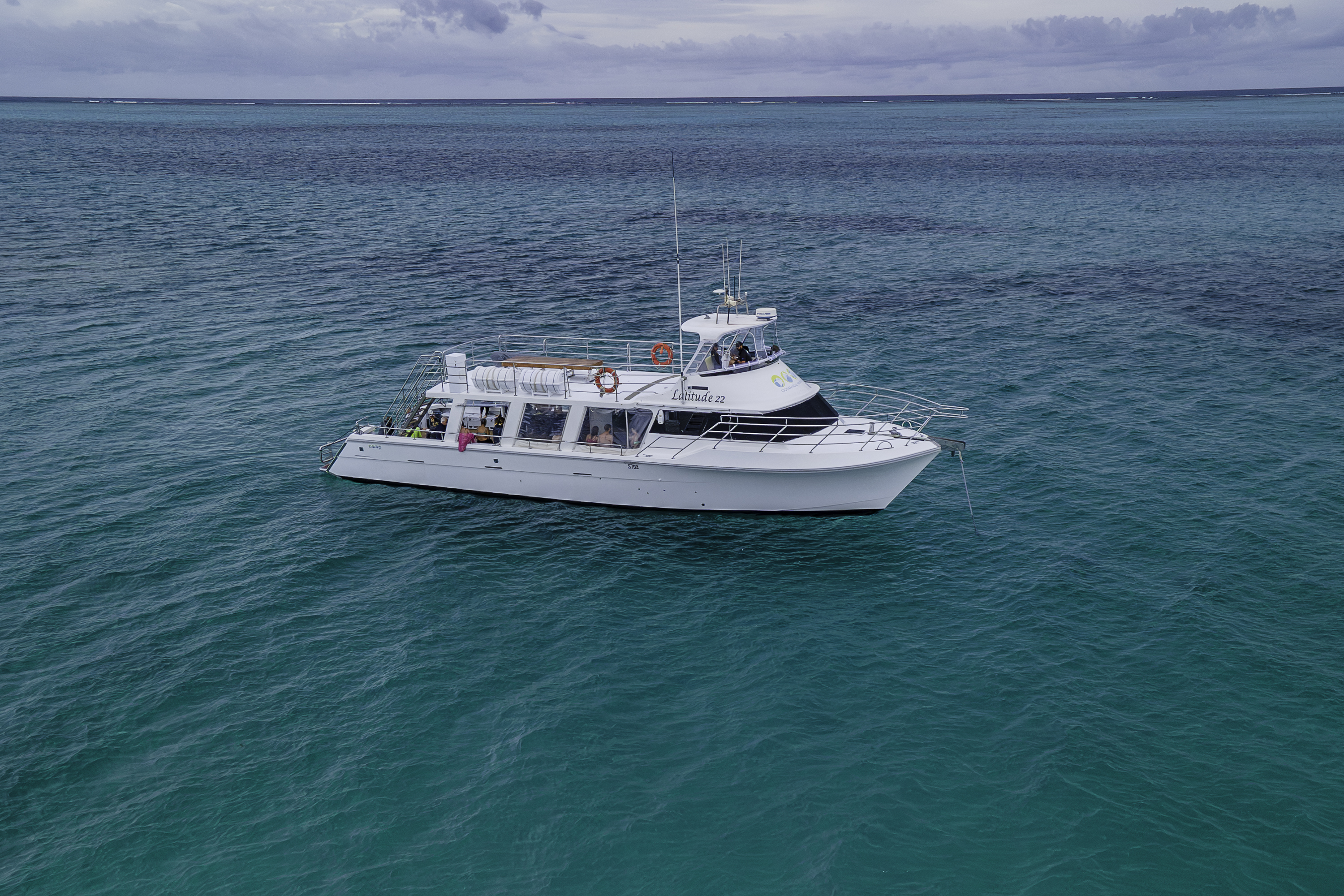
Planning a trip to Exmouth is a little different from planning a holiday to most places in Western Australia.
We're remote, the distances are big, the wildlife is wild and there is an enormous amount to see both above and below the water.
That is part of what makes Exmouth and the Ningaloo Coast so special.
Whether you're coming to swim with Whale Sharks, see humpback whales, snorkel the Ningaloo Reef, explore Cape Range National Park or simply spend a few days enjoying the beaches, a little planning will help you make the most of your time here.
After years of welcoming visitors to Ningaloo, these are some of the questions and practical tips we think are most useful when planning an Exmouth trip.
When Is the Best Time to Visit Exmouth?
There isn't one single "best" time to visit — it really depends on what you'd like to experience.
Whale Sharks: March to July is the main Whale Shark season and one of the most popular times to visit Exmouth.
Humpback Whales: From around July through November, migrating humpback whales pass through the region, with dedicated whale watching cruises generally beginning in August.
Manta Rays: Manta rays can be encountered around Ningaloo throughout the year, particularly around Coral Bay.
Of course, these aren't the only reasons to visit. Turtles, dolphins, dugongs, reef fish and an incredible variety of coral can be seen year-round.
We often call Whale Sharks, humpback whales and manta rays the Big 3 of Ningaloo — so choosing which experience you're most interested in can help you decide when to come.

How Do You Get to Exmouth?
Exmouth is approximately 1,250 kilometres north of Perth and sits on the eastern side of the North West Cape.
You can either drive from Perth or fly into Learmonth Airport, which is approximately 35 kilometres from Exmouth.
If you fly, we'd recommend hiring a car for at least a day or two if possible. Having your own vehicle makes exploring Cape Range National Park and the beaches along the coast much easier.
If you don't have a car, don't worry. Many local tour operators offer accommodation transfers, making it possible to enjoy some of the region's best experiences without driving yourself.
Where Should You Stay?
There are plenty of accommodation options around Exmouth, from caravan parks and camping through to self-contained apartments, holiday homes and resort-style accommodation.
You can also camp within Cape Range National Park, which is an amazing way to experience the coast.
If you're travelling during Whale Shark season, school holidays or another busy period, we'd recommend booking your accommodation well ahead of time.

Don't Miss Cape Range National Park
A trip to Exmouth isn't complete without exploring Cape Range National Park.
The rugged limestone range runs alongside the Ningaloo coastline, with spectacular beaches, walking trails, gorges and some of the best shore-based snorkelling in the region.
Turquoise Bay is the most famous snorkelling spot, with both a sheltered bay snorkel and a drift snorkel. The drift snorkel can have stronger currents, so always check the conditions and read the local signage before entering the water.
Oyster Stacks is another fantastic snorkelling location, although it is tide dependent.
Allow yourself plenty of time in the national park rather than trying to rush through all the beaches in one day.
Yardie Creek Gorge is another Cape Range highlight and a great way to experience the park from a completely different perspective. You can explore the gorge from the walking trails above, or join a one-hour Yardie Creek boat cruise through the protected waters below. The cruise is a relaxing way to see the spectacular red limestone cliffs and look for wildlife such as black-flanked rock wallabies and birdlife while learning more about the gorge from local guides.
What Wildlife Can You See?
This is probably one of the questions we're asked most often.
Depending on the season and where you explore, you could encounter:
🐋 Whale Sharks
🐋 Humpback Whales
🪽 Manta Rays
🐢 Turtles
🐬 Dolphins
Dugongs
Reef Sharks and rays
Hundreds of species of tropical fish
Incredible coral gardens
The important thing to remember is that these are wild animals. There are no guarantees about exactly what you will see on any particular day.
And honestly, that's part of the magic.
You're not visiting an aquarium — you're entering their home.
overhead view of whale shark in clear blue water
Should You Book Tours in Advance?
If there is a particular wildlife experience you have your heart set on, yes, we'd recommend booking ahead.
Whale Shark tours are particularly popular during the March–July season and can fill quickly.
The same applies to accommodation and other popular experiences during peak periods.
If you're unsure which tour is right for you, speak to the operator before booking. A good local operator should be able to explain exactly what the day involves and help you choose something suited to your interests and abilities.
What Should You Pack?
You don't need to bring your entire house with you, but a few things are particularly useful:
Reef-safe sunscreen
Hat and sunglasses
Swimwear
Comfortable walking shoes
Light clothing for sun protection
Reusable water bottle
Dry change of clothes
Waterproof phone pouch
If you're joining a marine wildlife tour, check what your operator provides before packing snorkelling equipment.
For example, Ocean Eco Adventures provides masks, snorkels, fins, flotation aids, prescription masks, wetsuits or lycra suits and reef-safe sunscreen on our marine wildlife tours.

How Long Should You Stay?
If you can, we'd recommend allowing at least five days.
That gives you enough time to experience the reef, explore Cape Range National Park, enjoy some beach time and join one or two marine wildlife experiences without feeling like you're constantly rushing from one activity to the next.
If you're visiting during Whale Shark season and want to experience both Whale Sharks and manta rays, adding an extra day or two is well worth considering.
We've also put together our 5-day Exmouth itinerary if you're looking for ideas on how to structure your trip.
Explore Ningaloo Responsibly
The Ningaloo Coast is special because so much of it remains wild.
When you're snorkelling, never touch or stand on coral, don't feed marine life and always follow local signage and wildlife interaction guidelines.
Give animals space and allow them to behave naturally.
Sometimes the most memorable moments aren't even the biggest wildlife encounters.
It might be a turtle resting in the shallows, a school of fish moving across the reef or simply sitting on an empty beach watching the ocean.
These are the moments that make people fall in love with Ningaloo.
Start Planning Your Exmouth Adventure
Come for the Whale Sharks.
Stay for the reef, the beaches, Cape Range, the whales, the manta rays and everything else that makes this coastline so extraordinary.
And most importantly, give yourself enough time to slow down and explore.
Ningaloo is worth taking your time for.
Ready for your next Adventure?
Book now to secure your seat onboard with Ocean Eco Adventures!


Comments